
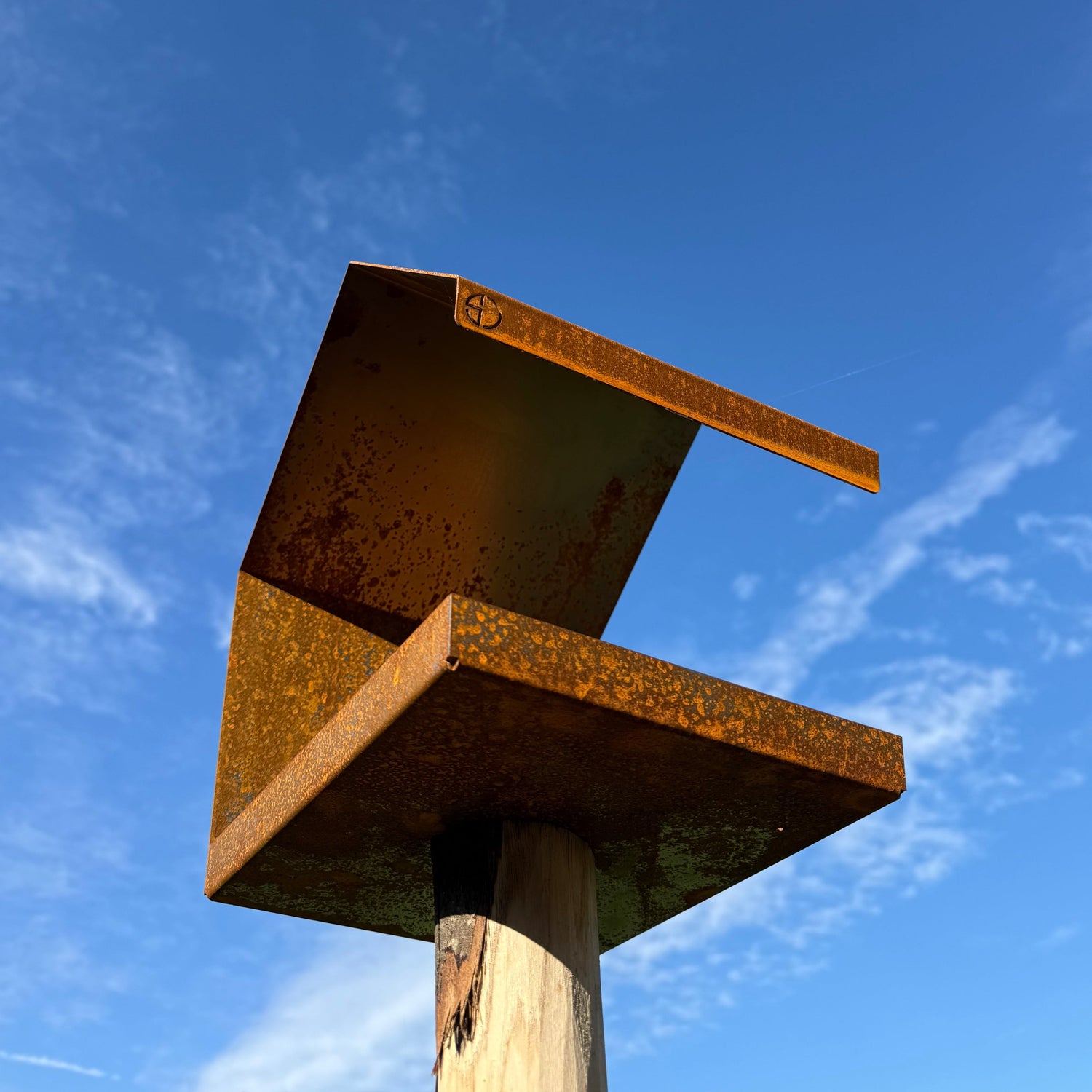
Recycling steel – circular design in practice is not just a buzzword, but a business strategy that demonstrates how the reuse of metals ensures long-term durability. In our projects, we see how recycled steel components form the basis for designs that are both functional and aesthetic. Think of beams repurposed as wall panels, or modular frames that can easily be dismantled and reused in subsequent projects.
Why recycling steel is so powerful for circular design
Steel is infinitely recyclable and retains its value with every cycle. By recycling steel, we reduce the need for new raw materials, lower our carbon footprint, and close the loop. This aligns perfectly with circular design: materials remain in use, are repurposed, and are restructured into new designs.
Thanks to design choices such as disassembly-friendly connections, standard sizes, and modular constructions, steel components can last longer and be more easily deployed in various spaces. This creates a production line where low environmental impact and high quality go hand in hand.
How steel recycling works in practice
The transition from demolition to new product proceeds in clear phases. First, we collect and sort steel scrap, after which the steel is recycled in smelting processes and transformed into clean, reusable base products. This is followed by processing and assembly into adaptable, fitting parts that can function in diverse environments.
When recycling steel, the value of the material lies in its long lifespan and potential for recovery. By choosing components that are easy to dismantle, the material’s value is preserved for future reconfigurations or changes in application.
Design principles for circular steel designs
In circular design, simplicity, disassembly, and reuse are key. Some important principles:
- Modularity: use of standard parts that fit in various configurations
- Ease of disassembly: connections that are easy to detach without damage
- Documentation and traceability: clear labeling of material types for future recycling
- Suitability for multiple applications: designs that can be adapted to new functions with minimal adjustments
Practical steps to integrate circular steel
Do you want to apply circular steel in your projects? Follow this approach:
- Inventory of available materials and their potential for disassembly
- Opting for reusable and standard parts where possible
- Collaborating with suppliers who support recycling and extended use
- Plan for end-of-life and disassembly during design decisions
- Continuous evaluation of environmental impact and quality maintenance throughout the lifespan
Impact on sustainability and end value
Steel recycling contributes to lower CO2 emissions, reduced mining, and less waste. The final product retains long-term value and can be put back into production after use. By choosing steel with proven recyclability, you strengthen both the aesthetics and the structural integrity of a design.
Concrete steps to integrate circular steel into projects
Start with a clear material plan and take disassembly, standardization, and reusability into account. Look for suppliers experienced in circular processes and dare to invest in designs that last a long time and are easy to reuse.
Conclusion
Recycling steel – circular design in practice proves that aesthetics, sustainability, and functionality can go hand in hand. By consciously choosing reused steel components and designs that facilitate disassembly, you extend the lifespan of materials and reduce the environmental impact of interiors and spatial designs. Discover our range and find inspiration at stalendesign.nl.


Leave a comment
All comments are moderated before being published.
This site is protected by hCaptcha and the hCaptcha Privacy Policy and Terms of Service apply.