
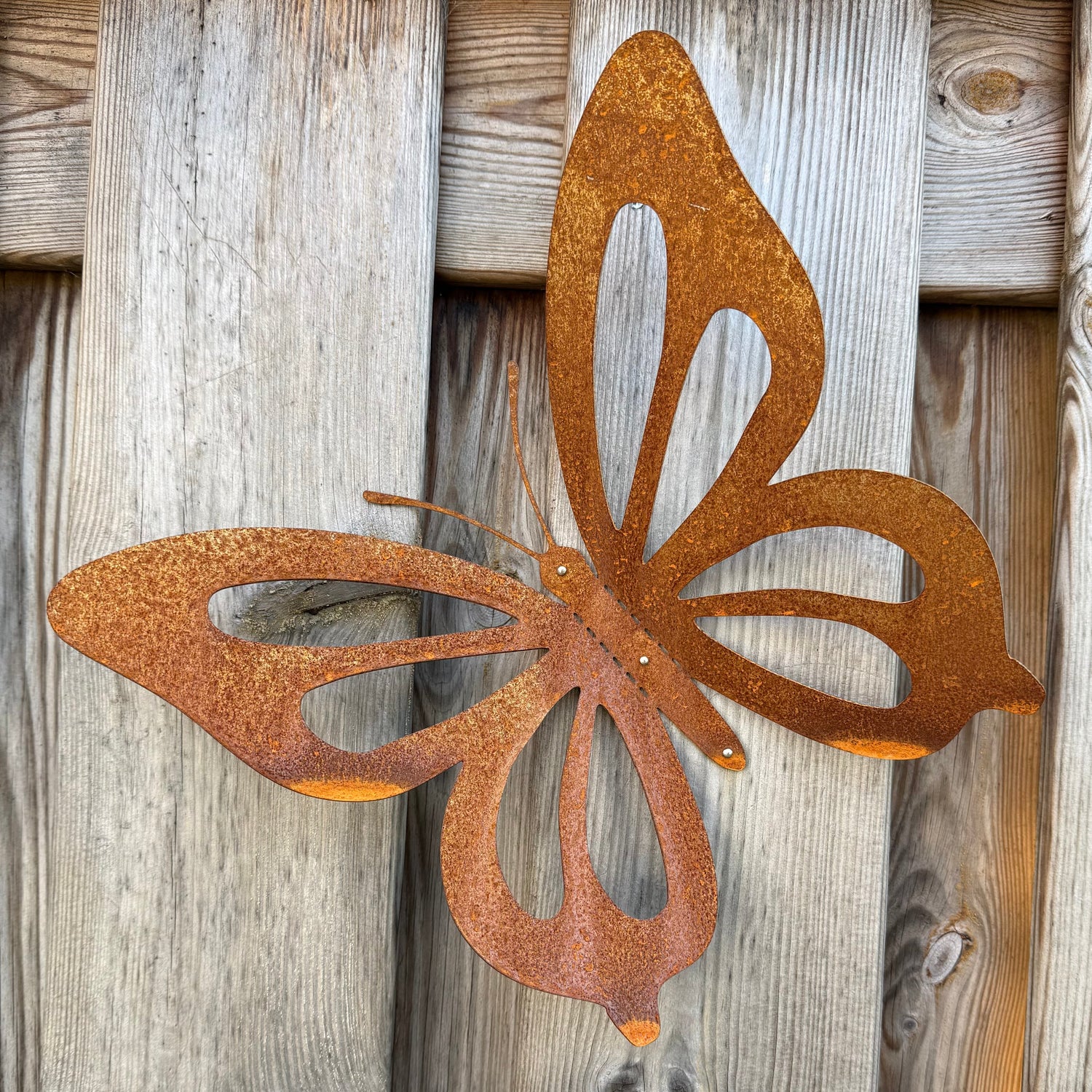
What is Corten steel and why does it rust?
At stalendesign.nl, we observe how Corten steel develops a characteristic patina. The rusting process of Corten steel does not follow a uniform timeline: depending on the application and environment, the process can occur faster or slower. In this article, we delve into what rust is, why the speed can differ per product, and which factors play a role in this. We discuss specific product types that contain Corten steel, such as stepping stones, garden shapes, birdhouses, and garden stakes, and conclude with practical tips to influence the process.
What is Corten steel and why does it rust?
Corten steel, also known as weather-resistant steel, is designed to form a protective patina when exposed to weather conditions. That patina consists of iron oxide and scratch-resistant layers that protect the underlying steel structure against further corrosion. The rusting process of Corten steel is a natural chemical process: moisture, oxygen, and temperature work together to cause oxidation. Through this patina, the material gains a warm, earthy hue that gives many outdoor projects a timeless look. Important to know: the speed of this process is not a fixed metric and can vary per object due to differences in surface, moisture retention, and exposure to the elements.
Speed of the rusting process: why do differences exist per product?
The pace at which Corten steel forms a cast patina depends on various factors. Areas with high humidity and regular precipitation often see a faster development of the rust color, while shady and dry spots develop more slowly. In addition, elements such as the surface structure, the thickness of the steel, and the presence of seams or weld points play a role. A flat, pierced edge may rust differently than a curved steel thickness or a product with multiple components. Exposure to salty air or acid rain can also influence oxidation. The result is that the same material in two different environments can quickly look different, within just a few weeks to months. For customers who want to see Corten shapes evolve, it is therefore always wise to take the specific location and exposure of the item into account.
Factors that influence rust
- Environmental conditions: humidity, precipitation, and temperature patterns that stimulate oxidation.
- Surface and dimensions: larger surfaces have more contact with moisture and air, which can accelerate or delay patination.
- Location and exposure: direct sunlight and open, windy places dry surfaces out faster, while sheltered, damp spots delay or accelerate the process depending on the microclimate.
- Common contaminants in the environment: salt air or acidic precipitation can affect the speed and tone of the patina.
- Technical construction: seams, welds, and connections may rust differently due to variations in oxidation contact and stress on the surface.
Corten steel in our assortment
In our assortment, you will find various products that incorporate Corten steel. Below you can read per type how the rust process usually proceeds and which factors are involved.
Stepping stones with Corten steel
Stepping stones in Corten steel acquire an outdoor-ready appearance with a warm patina. Due to exposure to rain and moisture in the garden, the rust process usually proceeds faster here than in a dry, covered space. The shape and finish influence how evenly the patina forms; rougher surfaces retain moisture longer and thus develop a more pronounced color difference.
Garden shapes in Corten steel
Garden shapes made of Corten steel often form larger surfaces that react to changing humidity with each season. Heavy, brushed finishes can provide a somewhat slower initial speed because less water remains on the surface. Generally, one sees a consistent patina over time with warm, earthy tones that fits well with various garden designs.
Birdhouses and Corten steel
Birdhouses made of Corten steel have to deal with the microclimate in the bird and garden environment. In the open air, they are regularly exposed to rain and wind, which promotes rust formation. The combination of corners and small surfaces can lead to a pattern of rusted and unrusted spots that together form a unique patina.
Garden stakes and Corten steel
Garden stakes made of Corten steel are often elongated and have multiple connections to the ground. These constructions often have less water retention at the corners, which causes the rust color to set in faster in some sections than in others. This provides the desired playful variation in the patina.
Do you want to make the patina form faster or see a more pronounced rust color?
Below are practical tips that you can apply to outdoor objects with Corten steel, such as stepping stones, garden shapes, birdhouses, and garden stakes.
- Wet regularly: provide the surface with some moisture regularly. A soft spray mist or short, regular wet periods help initiate oxidation and lead to a recognizable patina.
- Retain moisture: allow sufficient moisture to be present, but avoid prolonged standing water on the non-submerged parts of the object to prevent unwanted rust stains.
- Surface maintenance: remove dust and dirt so that oxidation can proceed evenly and no irregularities arise that detract from the patina.
- Choice of location: choose a spot with changing humidity and exposure to the elements to stimulate a natural patina. Available space for air circulation contributes to even oxidation.
- Avoid aggressive chemicals: keep pharmaceutical or industrial chemicals away as they can influence corrosion patterns and leave unwanted stains.
- Let the patina develop: patience is a factor; the process is natural and will show a stable, warm patina that suits the design over time.
When is the rusting process finished?
A frequently asked question is how fast rust penetrates into Corten steel and when the patina is fully formed. The answer depends on the environmental factors and the surface. Through a combination of moisture, oxygen, and an adaptive environment, the patina will in most cases begin to be visible after a few weeks to months and become stronger over the course of the year. Keep in mind that every location determines its own pace and that the process should be viewed with respect for the environment.
Conclusion
The rusting process of Corten steel is a fascinating natural process that ensures no two objects are the same. By taking environmental factors and surface application into account, you can determine the pace and allow a patina to form that suits your design. Whether it concerns stepping stones, garden shapes, birdhouses, or garden stakes, the patina gives every object a warm, timeless look that adds character to any outdoor space.




Leave a comment
All comments are moderated before being published.
This site is protected by hCaptcha and the hCaptcha Privacy Policy and Terms of Service apply.